


Hey there! As a supplier of Industrial Printer Parts, I've seen my fair share of printer part failures over the years. It can be super frustrating for businesses when their industrial printers start acting up, and often, it boils down to issues with the parts. So, I thought I'd share some of the common reasons for industrial printer parts failure.
1. Wear and Tear
One of the most obvious reasons for industrial printer parts failure is simple wear and tear. Industrial printers are often used for long hours, printing thousands or even millions of pages. Over time, the constant movement and friction can cause parts to degrade. For example, the print heads, which are responsible for depositing ink or toner onto the paper, are under a lot of stress. The nozzles in the print heads can get clogged or worn out, leading to poor print quality or even complete failure.
Another part that's prone to wear and tear is the paper feed mechanism. The rollers that move the paper through the printer can lose their grip over time, causing paper jams or misfeeds. The belts that drive these rollers can also stretch or break, which will disrupt the printing process. You can find high - quality replacement parts like these at Industrial Printer Parts.
2. Contamination
Contamination is a big culprit when it comes to industrial printer parts failure. Dust, dirt, and debris can find their way into the printer and cause all sorts of problems. In an industrial environment, there's often a lot of dust in the air, and if the printer isn't properly sealed or maintained, this dust can settle on the internal parts.
For instance, dust can accumulate on the optical sensors in the printer. These sensors are used to detect the position of the paper, the ink levels, and other important functions. When they're covered in dust, they may not work correctly, leading to errors and malfunctions.
Ink or toner spills can also contaminate the printer. If ink gets onto the electrical components, it can cause short - circuits and damage the parts. Toner particles can stick to the moving parts, increasing friction and causing premature wear. Regular cleaning and maintenance can help prevent contamination, but sometimes, you may still need to replace contaminated parts. That's where Industrial Automated Machinery Spare Parts come in handy.
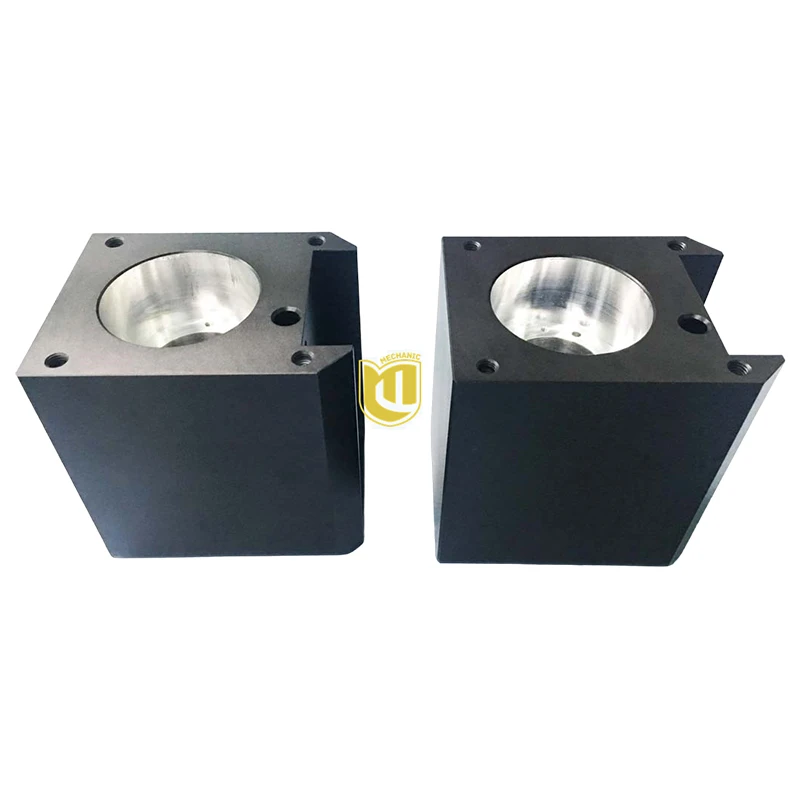

3. Overheating
Industrial printers generate a lot of heat during operation. The print heads, motors, and other components can get quite hot, especially if the printer is used continuously for long periods. Overheating can cause parts to expand and contract, which can lead to mechanical stress and eventual failure.
The heat can also damage the electronic components in the printer. The circuit boards and chips can become less reliable when they're exposed to high temperatures for extended periods. This can result in intermittent problems or complete system failures.
To prevent overheating, printers are usually equipped with cooling systems, such as fans or heat sinks. However, if these cooling systems aren't working properly, or if the printer is placed in a poorly ventilated area, overheating can still occur. You might need to replace the cooling components or improve the ventilation around the printer. Some parts, like those that Function As A Rotary Table for Automation Equipment, can also be affected by overheating, so it's important to keep an eye on the temperature.
4. Incorrect Usage
Sometimes, industrial printer parts fail because of incorrect usage. Operators may not follow the manufacturer's instructions properly, which can put unnecessary stress on the parts. For example, using the wrong type of paper can cause problems. If the paper is too thick or too thin, it can jam the printer or cause excessive wear on the paper feed mechanism.
Using low - quality ink or toner can also lead to part failure. Cheap ink may not dry properly, causing smudging and clogging the print heads. Low - quality toner may not fuse correctly to the paper, leaving residue on the internal parts.
In addition, overloading the printer can be a problem. If you try to print too many pages in a short period, the printer may not be able to handle the workload, and the parts can overheat or wear out faster. It's important to train your operators on the correct usage of the printer to avoid these issues.
5. Electrical Issues
Electrical problems can also cause industrial printer parts to fail. Power surges can damage the electronic components in the printer. If there's a sudden increase in voltage, it can fry the circuit boards, chips, and other sensitive parts. This can happen during a lightning storm or when there are problems with the electrical supply in the building.
Poor electrical connections can also lead to issues. Loose wires or corroded connectors can cause intermittent power loss or incorrect signals to be sent to the parts. This can result in erratic behavior, such as the printer not starting up or printing incorrect information.
To protect your printer from electrical issues, it's a good idea to use a surge protector. You should also regularly check the electrical connections to make sure they're secure. If you do experience electrical problems and need to replace parts, we've got a wide range of Industrial Printer Parts that can help get your printer back up and running.
6. Aging
Just like any other piece of equipment, industrial printers and their parts have a limited lifespan. As the printer gets older, the parts are more likely to fail. The materials used in the parts can degrade over time, and the internal components may become less reliable.
Even with regular maintenance, some parts will eventually reach the end of their useful life. For example, the gears in the printer's mechanical system can wear down to the point where they need to be replaced. The batteries in the printer, if it has any, can lose their capacity over time.
If you have an older industrial printer, it's a good idea to keep an eye on the parts and be prepared to replace them as needed. We can help you find the right replacement parts for your aging printer.
Conclusion
So, there you have it - the main reasons for industrial printer parts failure. Wear and tear, contamination, overheating, incorrect usage, electrical issues, and aging are all factors that can contribute to part failure. As a supplier of Industrial Printer Parts, I know how important it is to have reliable parts to keep your printers running smoothly.
If you're experiencing problems with your industrial printer parts, don't hesitate to reach out. We can help you identify the issue and find the right replacement parts. Whether it's a simple paper feed roller or a complex print head, we've got you covered. Contact us to start a procurement discussion and get your industrial printers back in top - notch condition.
References
- General knowledge and experience in the industrial printer parts supply industry.
- Manufacturer's manuals and documentation for various industrial printers.