


As a supplier of Industrial Printer Parts, I've witnessed firsthand the complex interplay between industrial printer parts production and the environment. This process, like many industrial manufacturing operations, has far - reaching environmental impacts that we need to understand and address.
Raw Material Extraction
The production of industrial printer parts begins with the extraction of raw materials. Metals such as aluminum, steel, and copper are commonly used in the construction of printer frames, gears, and electrical components. Mining these metals has significant environmental consequences.
Open - pit mining, a common method for extracting metals, involves the removal of large amounts of soil and rock. This leads to deforestation and habitat destruction, as vast areas of land are cleared to access the mineral deposits. For example, in regions where copper is mined, entire forests may be cut down, displacing countless plant and animal species. The loss of biodiversity not only disrupts ecosystems but also reduces the natural services these ecosystems provide, such as carbon sequestration and water purification.

In addition to habitat destruction, mining operations generate large amounts of waste rock and tailings. These waste materials often contain heavy metals and other toxic substances. If not properly managed, these pollutants can leach into the soil and water, contaminating groundwater and surface water sources. Acid mine drainage is a particularly severe problem, where sulfuric acid is produced as a result of the oxidation of sulfide minerals in the waste rock. This acid can lower the pH of water bodies, making them inhospitable to many aquatic organisms.
Energy Consumption
The manufacturing process of industrial printer parts is energy - intensive. From the smelting of metals to the shaping and assembly of components, a significant amount of energy is required at each stage. Most of this energy comes from non - renewable sources such as coal, oil, and natural gas.
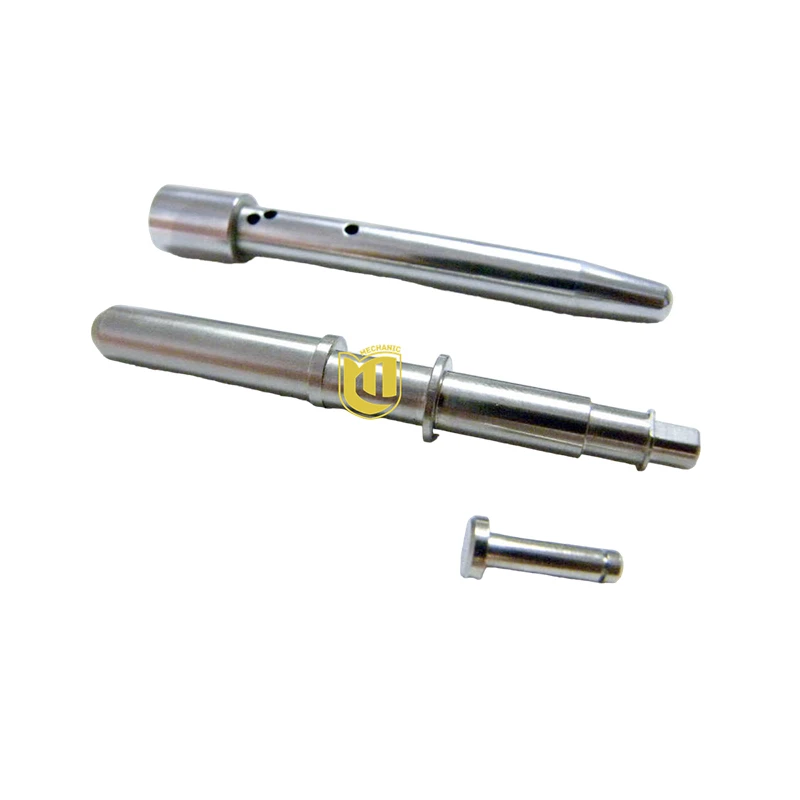
The burning of fossil fuels for energy production releases large amounts of greenhouse gases, primarily carbon dioxide, into the atmosphere. These emissions contribute to global warming and climate change. Rising global temperatures have a wide range of impacts, including more frequent and severe heatwaves, droughts, floods, and storms. Climate change also poses a threat to human health, agriculture, and infrastructure.
In addition to greenhouse gas emissions, energy production from fossil fuels also releases other pollutants such as sulfur dioxide, nitrogen oxides, and particulate matter. These pollutants can cause air pollution, which has negative effects on human health, including respiratory problems, heart disease, and cancer.
Chemical Usage
The production of industrial printer parts often involves the use of various chemicals. For example, in the plating and coating processes, chemicals such as chromates, nickel, and cadmium are used to improve the durability and corrosion resistance of the parts. These heavy metals are toxic and can have long - term environmental and health impacts.
Improper disposal of chemical waste can lead to soil and water contamination. If these chemicals enter the environment, they can accumulate in the food chain, posing a threat to wildlife and human health. For example, cadmium is a known carcinogen and can cause kidney damage and bone problems in humans.
In addition to heavy metals, solvents are also commonly used in the manufacturing process for cleaning and degreasing. Many of these solvents are volatile organic compounds (VOCs), which can react with sunlight and other pollutants in the atmosphere to form ground - level ozone, a major component of smog. Ground - level ozone can cause respiratory problems, especially in children, the elderly, and people with pre - existing respiratory conditions.
Waste Generation
The production of industrial printer parts generates a significant amount of waste. This includes scrap metal, plastic waste, and packaging materials. Scrap metal, if not recycled, can end up in landfills, taking up valuable space and wasting resources. Plastic waste is particularly problematic because it is non - biodegradable and can persist in the environment for hundreds of years.
Packaging materials, such as cardboard boxes, plastic wraps, and foam inserts, are also a major source of waste. While some of these materials can be recycled, a large portion still ends up in landfills. The production of packaging materials also requires energy and resources, contributing to the overall environmental impact of the production process.
Water Pollution
Water is an essential resource in the production of industrial printer parts. It is used for cooling, cleaning, and in various chemical processes. However, the water used in these processes can become contaminated with heavy metals, chemicals, and other pollutants.
If this contaminated water is discharged into water bodies without proper treatment, it can cause water pollution. Polluted water can harm aquatic life, make water unfit for human consumption, and damage ecosystems. For example, high levels of heavy metals in water can accumulate in fish and other aquatic organisms, making them unsafe to eat.
Strategies for Mitigation
As a supplier of Industrial Printer Parts, we are aware of our responsibility to minimize the environmental impacts of our production processes. Here are some strategies that we and the industry as a whole can adopt:
1. Sustainable Sourcing
We can source raw materials from mines that follow sustainable practices. This includes using environmentally friendly mining techniques, reforesting mined areas, and properly managing waste. By choosing suppliers who are committed to sustainability, we can reduce the environmental impact of raw material extraction.
2. Energy Efficiency
Investing in energy - efficient manufacturing technologies can significantly reduce energy consumption. This includes using advanced machinery that requires less energy to operate, optimizing production processes to minimize energy waste, and using renewable energy sources such as solar and wind power.
3. Chemical Management
We can replace toxic chemicals with more environmentally friendly alternatives. For example, non - toxic coatings and solvents can be used in the manufacturing process. In addition, proper chemical management practices, such as recycling and reusing chemicals, can reduce waste and pollution.
4. Waste Recycling
Implementing a comprehensive waste recycling program can help reduce the amount of waste sent to landfills. Scrap metal can be recycled and reused in the production process, while plastic waste and packaging materials can be recycled into new products.
5. Water Treatment
Installing water treatment facilities can ensure that the water used in the production process is properly treated before being discharged. This can remove pollutants and contaminants, reducing the risk of water pollution.
The Role of Consumers
Consumers also play an important role in reducing the environmental impact of industrial printer parts production. By choosing products from suppliers who are committed to sustainability, consumers can send a strong message to the industry. In addition, consumers can properly dispose of their old printer parts and encourage recycling.
Conclusion
The production of industrial printer parts has significant environmental impacts, from raw material extraction to waste generation. However, by adopting sustainable practices, both suppliers and consumers can help reduce these impacts. As a supplier of Industrial Printer Parts, we are committed to minimizing our environmental footprint and contributing to a more sustainable future.
If you are interested in learning more about our high - quality Industrial Printer Parts, Industrial Automated Machinery Spare Parts, or Metal Industrial Automation Parts, and discussing how we can work together to address environmental concerns in your procurement process, please feel free to reach out to us for a procurement consultation.
References
- Environmental Protection Agency. (2023). Industrial Waste Management.
- United Nations Environment Programme. (2023). Sustainable Manufacturing.
- World Wildlife Fund. (2023). Mining and Biodiversity.