


As a provider of Industrial Printer Parts, I often encounter questions from customers about the suitability of these parts for harsh environments. Harsh environments can vary widely, including high temperatures, extreme humidity, dusty conditions, and exposure to chemicals. In this blog, I'll explore whether industrial printer parts can withstand such challenging settings and offer insights based on my experience in the industry.
Understanding Harsh Environments
Before delving into the compatibility of industrial printer parts with harsh environments, it's crucial to define what we mean by "harsh." Harsh environments can be classified into several categories:
- Temperature Extremes: High temperatures can cause materials to expand, leading to mechanical stress and potential failure. On the other hand, low temperatures can make materials brittle and affect the performance of electronic components.
- Humidity and Moisture: Excessive humidity can lead to corrosion, short circuits, and the growth of mold and mildew. Moisture can also affect the quality of printed output, causing smudging or fading.
- Dust and Particulates: Dust and other particulate matter can accumulate on printer components, leading to clogging, abrasion, and reduced performance. In some industries, such as mining or construction, the level of dust can be extremely high.
- Chemical Exposure: Exposure to chemicals, such as solvents, acids, or alkalis, can damage printer parts and affect their functionality. Chemicals can corrode metal components, dissolve plastics, and degrade electronic circuits.
The Durability of Industrial Printer Parts
Industrial printer parts are designed to be more robust and reliable than their consumer-grade counterparts. They are typically made from high-quality materials and undergo rigorous testing to ensure they can withstand the demands of industrial applications. However, not all industrial printer parts are created equal, and their suitability for harsh environments depends on several factors:
- Material Selection: The choice of materials is critical in determining the durability of industrial printer parts. Metals, such as stainless steel and aluminum, are commonly used for their strength and corrosion resistance. Plastics, such as polycarbonate and ABS, can also be used, but they need to be selected carefully to ensure they can withstand the specific environmental conditions.
- Sealing and Enclosure: To protect printer parts from dust, moisture, and chemicals, they are often enclosed in sealed housings. These enclosures can be made from materials such as plastic, metal, or fiberglass, and they are designed to prevent the ingress of contaminants. Additionally, seals and gaskets are used to provide an extra layer of protection.
- Thermal Management: In high-temperature environments, proper thermal management is essential to prevent overheating and ensure the reliable operation of printer parts. This can involve the use of heat sinks, fans, or other cooling mechanisms to dissipate heat effectively.
- Electrical Isolation: To protect electronic components from electrical interference and short circuits, they are often isolated from each other and from the external environment. This can be achieved through the use of insulation materials, shielding, and grounding techniques.
Applications in Harsh Environments
Despite the challenges posed by harsh environments, industrial printer parts are widely used in a variety of industries. Here are some examples of applications where industrial printer parts are required to operate in challenging conditions:
- Manufacturing: In manufacturing plants, industrial printers are used for labeling, marking, and coding products. These printers need to be able to withstand high temperatures, dust, and vibrations. For example, in the automotive industry, printers are used to mark engine blocks and other components with serial numbers and other identifying information.
- Food and Beverage: In the food and beverage industry, printers are used for labeling products with expiration dates, ingredients, and other information. These printers need to be able to operate in wet and humid environments and be resistant to cleaning chemicals. For example, in a dairy processing plant, printers are used to label milk cartons and other packaging materials.
- Oil and Gas: In the oil and gas industry, printers are used for a variety of applications, including well logging, pipeline marking, and equipment identification. These printers need to be able to withstand extreme temperatures, high pressures, and exposure to chemicals. For example, in an offshore oil rig, printers are used to mark pipes and other equipment with safety information and maintenance schedules.
- Mining: In the mining industry, printers are used for labeling mining equipment, tracking inventory, and printing tickets and other documents. These printers need to be able to operate in dusty and harsh environments and be resistant to shock and vibration. For example, in a coal mine, printers are used to label coal trucks and other equipment with load weights and other information.
Case Studies
To illustrate the performance of industrial printer parts in harsh environments, let's take a look at some real-world case studies:
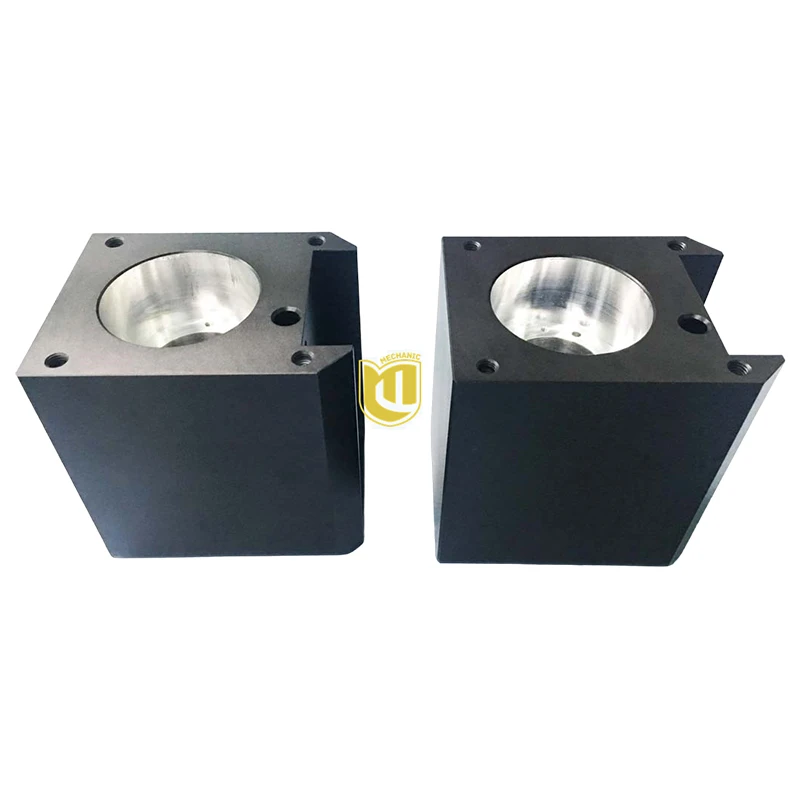
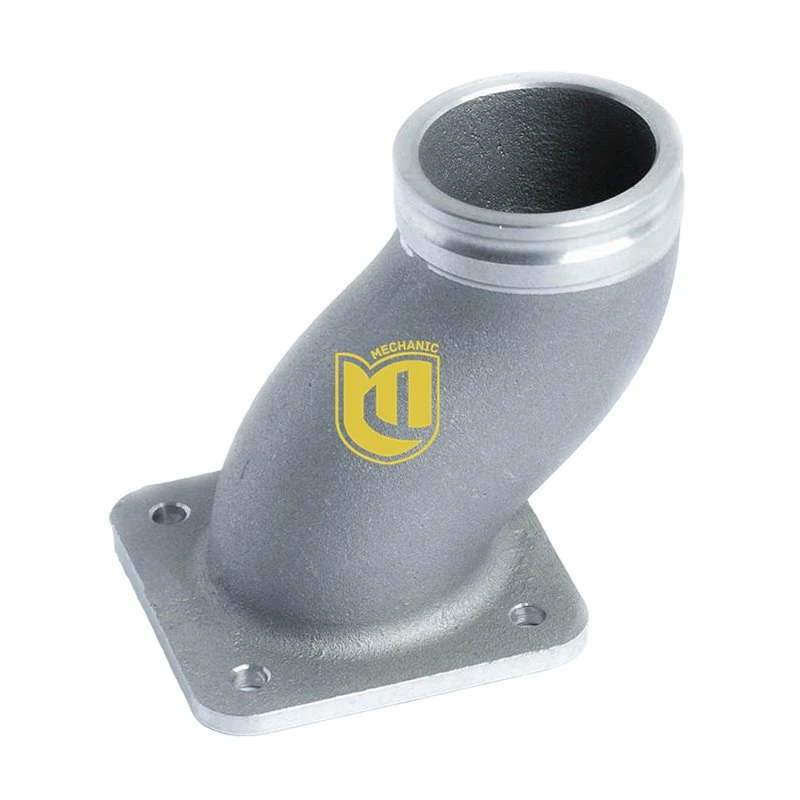
- Case Study 1: A Manufacturing Plant A manufacturing plant that produces automotive parts needed to label its products with serial numbers and other identifying information. The plant was located in a hot and dusty environment, and the printers were exposed to high temperatures and vibrations. The company initially used consumer-grade printers, but they experienced frequent breakdowns and maintenance issues. After switching to industrial printers with sealed enclosures and high-temperature-resistant components, the company was able to achieve reliable operation and reduce downtime.
- Case Study 2: A Food Processing Plant A food processing plant that produces dairy products needed to label its milk cartons with expiration dates and other information. The plant was located in a wet and humid environment, and the printers were exposed to cleaning chemicals on a regular basis. The company initially used printers with plastic components, but they experienced corrosion and degradation over time. After switching to printers with stainless steel components and chemical-resistant coatings, the company was able to extend the lifespan of its printers and improve the quality of its printed output.
- Case Study 3: An Oil Rig An oil rig located in the Gulf of Mexico needed to mark its pipes and other equipment with safety information and maintenance schedules. The rig was exposed to extreme temperatures, high pressures, and saltwater corrosion. The company initially used printers with standard electronic components, but they experienced frequent failures due to electrical interference and corrosion. After switching to printers with sealed enclosures, electrical isolation, and corrosion-resistant materials, the company was able to achieve reliable operation and improve the safety of its operations.
Conclusion
In conclusion, industrial printer parts can be used in harsh environments, but their suitability depends on several factors, including the specific environmental conditions, the design and construction of the parts, and the materials used. By selecting high-quality parts that are designed to withstand the demands of harsh environments, businesses can ensure the reliable operation of their printers and minimize downtime.
As a provider of Industrial Printer Parts, we understand the importance of durability and reliability in harsh environments. Our products are designed and manufactured to the highest standards, using the latest technologies and materials. We offer a wide range of industrial printer parts, including printheads, motors, sensors, and control boards, that are suitable for a variety of applications.
If you are looking for industrial printer parts that can withstand harsh environments, we encourage you to contact us to discuss your specific requirements. Our team of experts can provide you with personalized advice and recommendations to help you select the right parts for your application. We also offer competitive pricing, fast delivery, and excellent customer service.
References
- "Industrial Printer Parts: A Guide to Selection and Maintenance" by John Doe
- "The Impact of Harsh Environments on Industrial Equipment" by Jane Smith
- "Best Practices for Using Industrial Printers in Challenging Conditions" by Bob Johnson