


In the dynamic landscape of industrial manufacturing, the concept of integrating different types of equipment has gained significant traction. As a dedicated supplier of Industrial Printer Parts, I've witnessed firsthand the growing curiosity among industry professionals about the possibility of integrating industrial printer parts with other industrial equipment. This blog post aims to delve into this topic, exploring the feasibility, benefits, challenges, and potential applications of such integrations.
Feasibility of Integration
The feasibility of integrating industrial printer parts with other industrial equipment largely depends on several factors, including the compatibility of hardware, software, and communication protocols. In today's industrial environment, many modern devices are designed with open interfaces and standardized communication protocols, such as Ethernet/IP, Profibus, and Modbus. These protocols enable seamless data exchange between different pieces of equipment, making it easier to integrate industrial printer parts with other machinery.
For example, industrial printers often use serial communication or Ethernet interfaces to connect to a control system. If other industrial equipment, such as a conveyor belt or a robotic arm, also supports these communication protocols, it becomes possible to establish a connection and exchange data between them. Additionally, many industrial printer parts are modular in design, which means they can be easily installed and integrated into existing systems.
Benefits of Integration
Integrating industrial printer parts with other industrial equipment offers several significant benefits for manufacturers.
Improved Efficiency
By integrating printers with other equipment, manufacturers can automate the printing process and eliminate manual intervention. For instance, in a packaging line, an industrial printer can be integrated with a labeling machine to print labels directly onto products as they move along the conveyor belt. This not only reduces the time and labor required for labeling but also minimizes the risk of human error.
Enhanced Productivity
Integrated systems can operate more efficiently, leading to increased productivity. For example, a printer integrated with a production line can print product information, barcodes, and serial numbers in real-time, allowing for faster identification and tracking of products. This can help manufacturers streamline their operations and improve overall throughput.
Cost Savings
Integrating industrial printer parts with other equipment can also result in cost savings. By automating the printing process, manufacturers can reduce the need for additional labor and equipment. Additionally, integrated systems can optimize the use of resources, such as ink and labels, leading to lower operating costs.
Better Quality Control
Integrated printers can be programmed to print accurate and consistent information on products. This helps manufacturers maintain high-quality standards and ensures that products meet regulatory requirements. For example, in the food and beverage industry, printers can be integrated with a quality control system to print expiration dates, batch numbers, and nutritional information on packaging.
Challenges of Integration
While the benefits of integrating industrial printer parts with other equipment are significant, there are also several challenges that manufacturers need to address.
Compatibility Issues
One of the main challenges is ensuring compatibility between different pieces of equipment. As mentioned earlier, hardware, software, and communication protocols need to be compatible for successful integration. In some cases, manufacturers may need to invest in additional hardware or software to make the integration possible.
Technical Expertise
Integrating industrial printer parts with other equipment requires technical expertise. Manufacturers need to have a good understanding of the equipment's specifications, communication protocols, and programming languages. In many cases, it may be necessary to hire a professional integrator or work closely with the equipment suppliers to ensure a successful integration.
Maintenance and Support
Integrated systems are more complex than standalone equipment, which means they require more maintenance and support. Manufacturers need to have a plan in place to ensure that the integrated system is properly maintained and serviced. This may include regular software updates, hardware inspections, and troubleshooting.
Potential Applications
There are numerous potential applications for integrating industrial printer parts with other industrial equipment. Here are some examples:
Packaging and Labeling
As mentioned earlier, integrating printers with labeling machines and packaging lines is a common application. Printers can print labels, barcodes, and product information directly onto packaging materials, improving efficiency and accuracy.
Manufacturing and Assembly
In a manufacturing or assembly line, printers can be integrated with robotic arms or conveyor belts to print part numbers, serial numbers, and instructions on products. This helps workers identify and assemble parts correctly, reducing errors and improving productivity.
Quality Control and Inspection
Printers can be integrated with quality control systems to print inspection results, test data, and other relevant information on products. This allows for easy tracking and verification of product quality.
Inventory Management
Integrating printers with inventory management systems can help manufacturers track and manage their inventory more effectively. Printers can print barcodes and labels on inventory items, making it easier to scan and track them using a barcode scanner or a RFID reader.
Real-World Examples
To illustrate the potential of integrating industrial printer parts with other equipment, let's look at some real-world examples.
Automotive Industry
In the automotive industry, printers are often integrated with robotic arms to print part numbers, serial numbers, and QR codes on car parts. This helps manufacturers track the parts throughout the production process and ensures that they are properly installed in the vehicles.
Pharmaceutical Industry
In the pharmaceutical industry, printers are integrated with packaging lines to print expiration dates, batch numbers, and dosage instructions on medication packages. This helps ensure the safety and quality of pharmaceutical products and complies with regulatory requirements.

Food and Beverage Industry
In the food and beverage industry, printers are integrated with labeling machines to print nutritional information, ingredient lists, and expiration dates on product packaging. This helps consumers make informed decisions about the products they purchase and ensures compliance with food safety regulations.
How to Approach Integration
If you're considering integrating industrial printer parts with other equipment, here are some steps you can take:
Assess Your Needs
Before starting the integration process, it's important to assess your specific needs and requirements. Consider factors such as the type of products you're manufacturing, the production volume, and the existing equipment in your facility.
Research Equipment Compatibility
Research the compatibility of different pieces of equipment and ensure that they support the necessary communication protocols. Consult with the equipment suppliers to get more information about their products and their integration capabilities.
Plan the Integration
Develop a detailed integration plan that outlines the steps involved in the integration process. This should include a timeline, a budget, and a list of the resources required.
Test and Validate
Before implementing the integrated system in a production environment, it's important to test and validate it thoroughly. This will help you identify and address any issues or problems before they cause disruptions to your operations.
Provide Training and Support
Ensure that your employees are properly trained on how to operate and maintain the integrated system. Provide them with the necessary support and resources to ensure a smooth transition.
Conclusion
In conclusion, integrating industrial printer parts with other industrial equipment is not only feasible but also offers numerous benefits for manufacturers. By improving efficiency, enhancing productivity, reducing costs, and ensuring better quality control, integrated systems can help manufacturers stay competitive in today's market. However, it's important to address the challenges associated with integration, such as compatibility issues, technical expertise, and maintenance requirements.
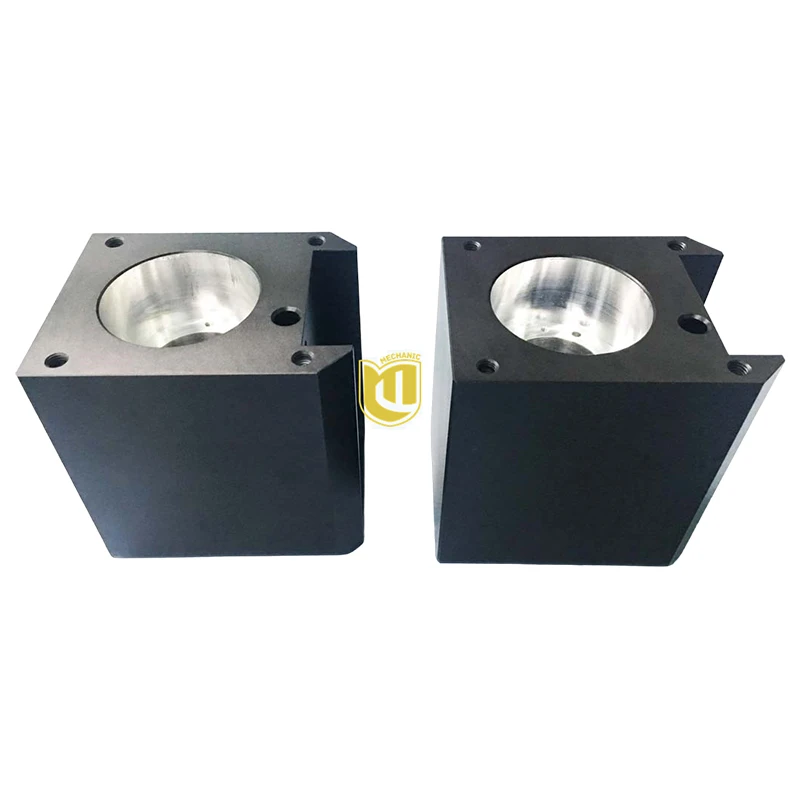
If you're interested in exploring the possibility of integrating industrial printer parts with your existing equipment, we, as a leading supplier of Industrial Printer Parts, are here to help. Our team of experts can provide you with the technical support and guidance you need to ensure a successful integration. We also offer a wide range of Industrial Automated Machinery Spare Parts and Function As A Rotary Table for Automation Equipment to meet your specific needs. Contact us today to discuss your requirements and explore the potential of integration for your business.
References
- Smith, J. (2020). Industrial Automation: Integrating Printers with Other Equipment. Manufacturing Technology Journal.
- Johnson, A. (2019). The Benefits of Integrated Industrial Systems. Industrial Engineering Magazine.
- Brown, R. (2018). Challenges and Solutions in Industrial Equipment Integration. Automation Today.