


As a supplier of Industrial Printer Parts, I often get asked about the regulations regarding the import and export of these parts. It's a crucial topic that can make or break a business deal, so I thought I'd share some insights based on my experience in the industry.
Let's start with the basics. Import and export regulations for industrial printer parts vary from country to country. These rules are in place to ensure safety, protect the environment, and sometimes, to safeguard domestic industries. For instance, some countries might have strict regulations on the materials used in printer parts, especially if they contain hazardous substances like lead or mercury.
One of the first things you need to do when dealing with international trade is to classify your industrial printer parts correctly. This is done using the Harmonized System (HS) codes. These codes are a standardized numerical method of classifying traded products. They help customs authorities around the world to identify the goods being imported or exported and apply the appropriate tariffs and regulations. Misclassifying your parts can lead to delays at the border, fines, or even the seizure of your goods. So, it's really important to get it right.
Another key aspect is the documentation. You'll need to prepare a bunch of paperwork when importing or exporting industrial printer parts. This usually includes a commercial invoice, a packing list, a bill of lading or airway bill, and sometimes, a certificate of origin. The commercial invoice should detail the description of the parts, their value, quantity, and the terms of the sale. The packing list provides information about how the parts are packed, which is important for handling and shipping. The bill of lading or airway bill is a receipt for the goods and a contract between the shipper and the carrier. And the certificate of origin shows where the parts were made, which can affect the tariffs and trade preferences.
Now, let's talk about tariffs. Tariffs are taxes imposed on imported goods. The rate of tariff depends on various factors, such as the type of parts, their origin, and the trade agreements between the countries involved. Some countries have free trade agreements that can reduce or eliminate tariffs on certain goods. For example, if you're exporting industrial printer parts from a country that has a free trade agreement with the importing country, you might be able to save a lot on tariffs. But you'll need to make sure you meet all the requirements of the agreement, like the rules of origin.
In addition to tariffs, there are also non - tariff barriers. These can include things like technical standards, product certification, and import quotas. Technical standards ensure that the industrial printer parts meet certain safety, quality, and environmental requirements. For example, some countries might require your parts to be tested and certified to meet their national or international standards. This can be a time - consuming and expensive process, but it's necessary to get your parts into the market.
Import quotas are limits on the quantity of a particular product that can be imported into a country during a specific period. If there's a quota on industrial printer parts in the importing country, you need to be aware of it and plan your shipments accordingly. Otherwise, you might find that your parts can't be imported because the quota has been reached.
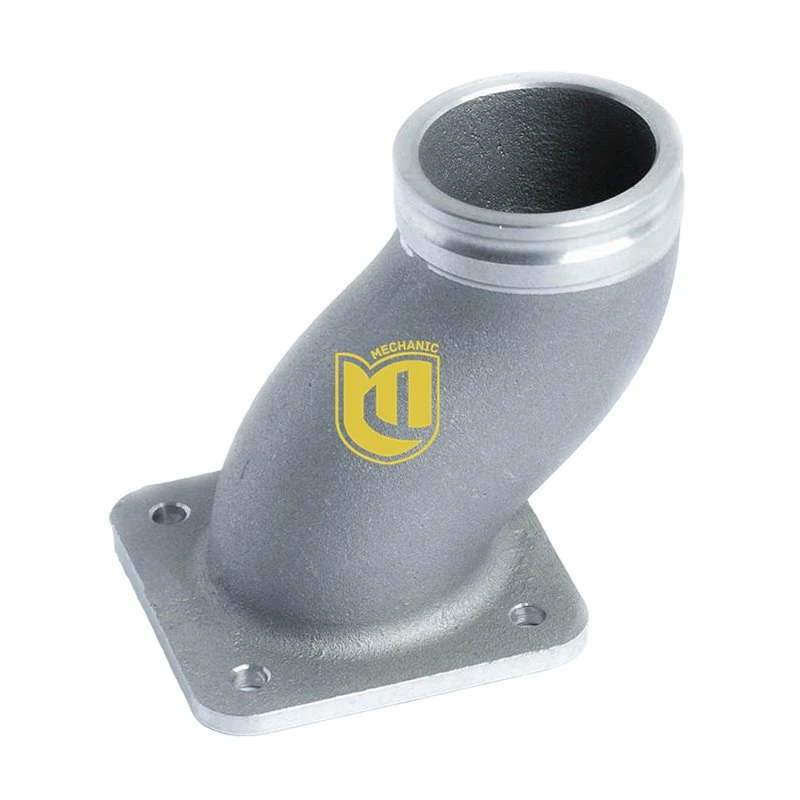

When it comes to exporting, you also need to consider the export controls. Some industrial printer parts might be subject to export controls because they have potential military or dual - use applications. Dual - use items are those that can be used for both civilian and military purposes. If your parts fall into this category, you'll need to obtain an export license from your government. Failing to do so can result in serious legal consequences.
Now, I want to mention some resources that can be really helpful in understanding these regulations. You can visit the websites of the customs authorities in the countries you're trading with. They usually have detailed information about the import and export requirements, including the HS codes, tariffs, and documentation. You can also consult with a customs broker or a trade lawyer. They have the expertise and experience to guide you through the process and help you avoid any pitfalls.
As a supplier of Industrial Printer Parts, I've seen firsthand how important it is to comply with these regulations. It not only ensures a smooth flow of goods but also builds trust with your customers. If you're a buyer looking for high - quality industrial printer parts, you can be confident that I'll take care of all the regulatory aspects to get the parts to you safely and efficiently.
I also want to introduce some related products that might be of interest to you. Check out our Industrial Automated Machinery Spare Parts. These parts are essential for keeping your industrial machinery running smoothly. We also have Function As A Rotary Table for Automation Equipment, which can enhance the functionality of your automation systems. And don't forget our Metal Industrial Automation Parts, which are known for their durability and quality.
If you're interested in purchasing industrial printer parts or any of our other products, I'd love to have a chat with you. Whether you have questions about the regulations, the products themselves, or just want to get a quote, feel free to reach out. We're here to make the process as easy as possible for you and provide you with the best products at competitive prices.
In conclusion, the import and export of industrial printer parts are subject to a complex set of regulations. But with the right knowledge and preparation, you can navigate these regulations successfully. As a supplier, I'm committed to helping my customers understand and comply with these rules so that we can all do business smoothly and profitably.
References
- Customs and Border Protection Agencies of relevant countries
- International Trade Administration resources
- Publications on Harmonized System codes and trade regulations